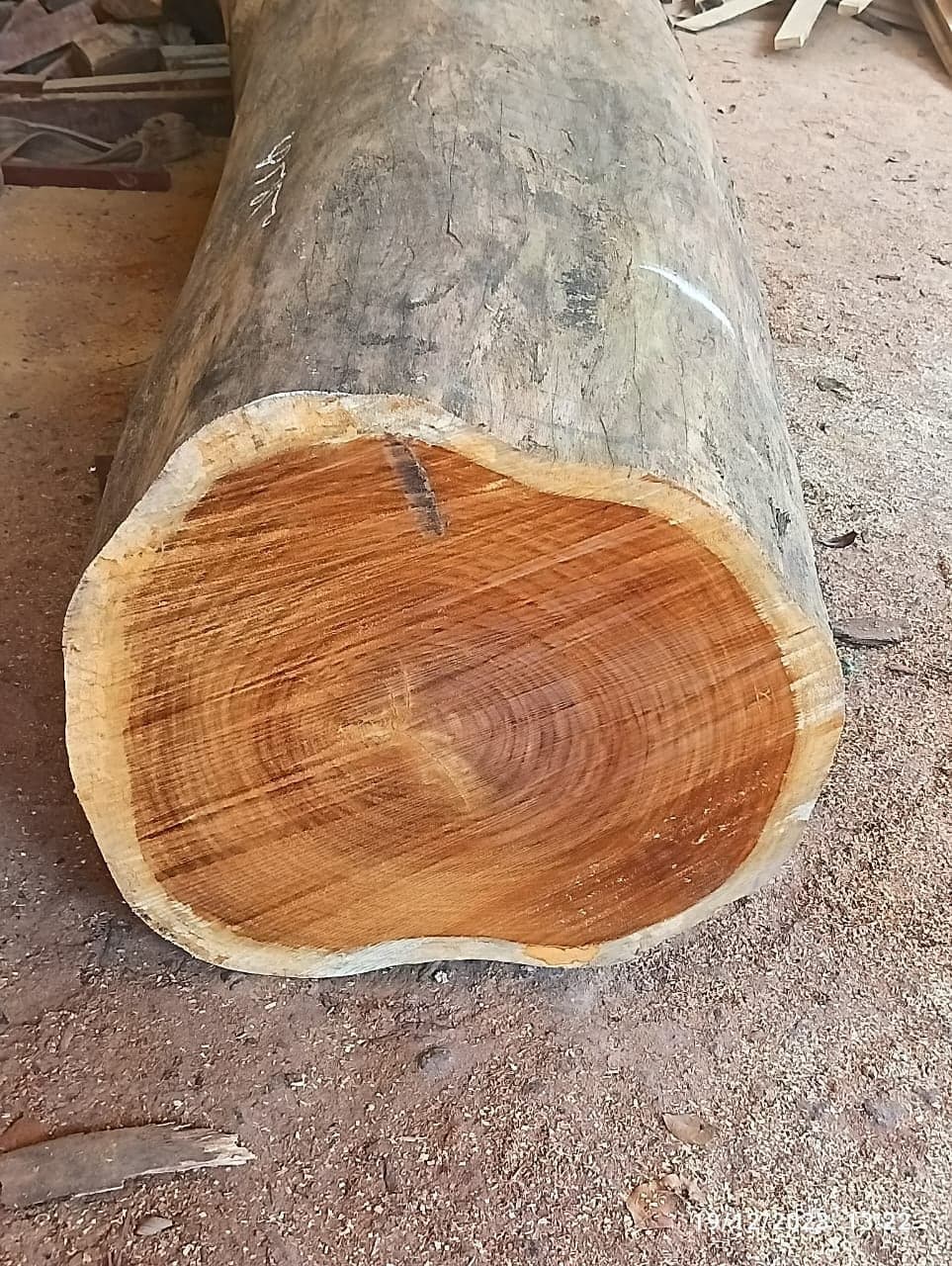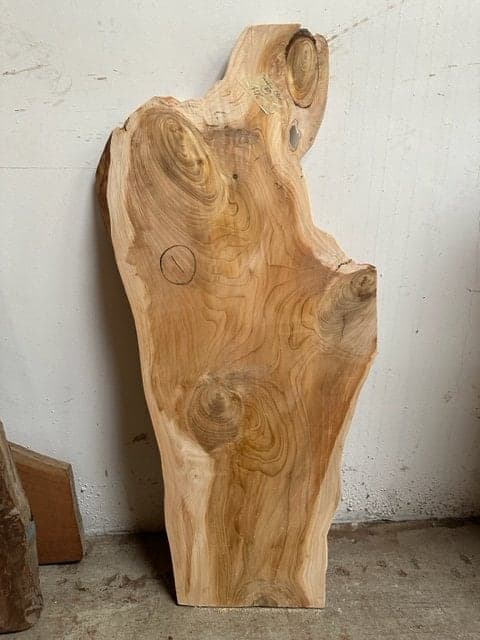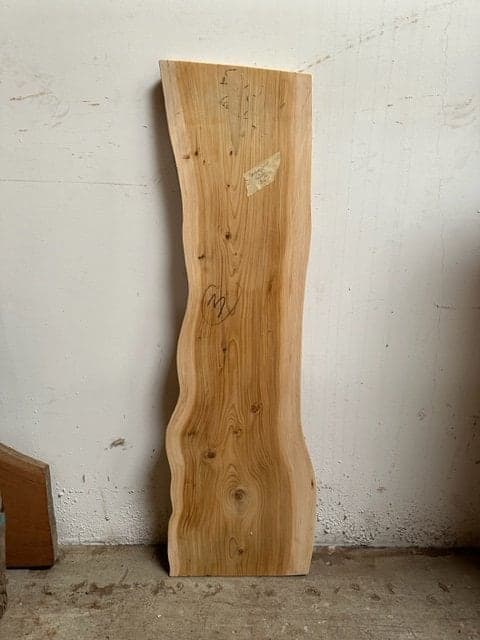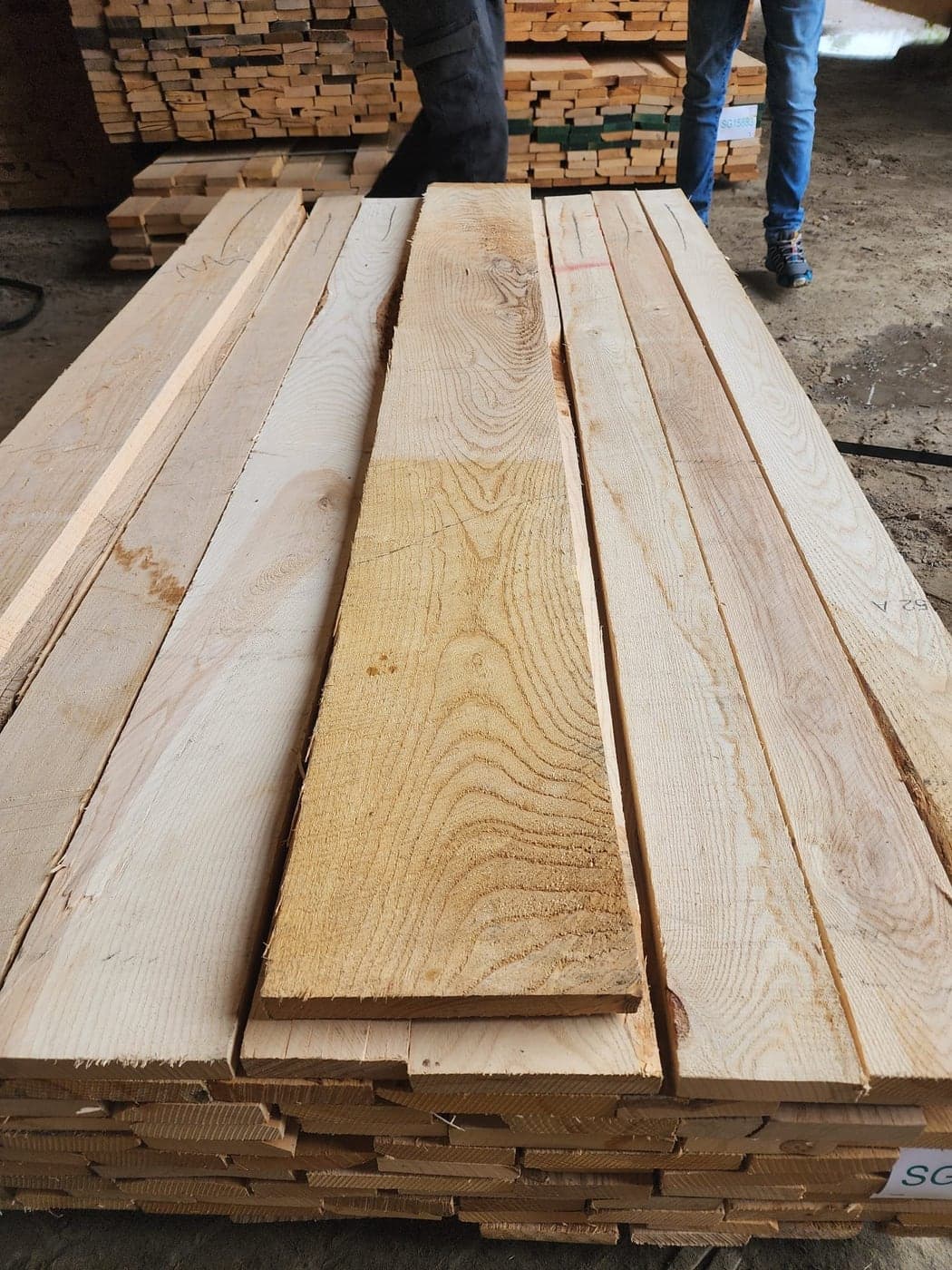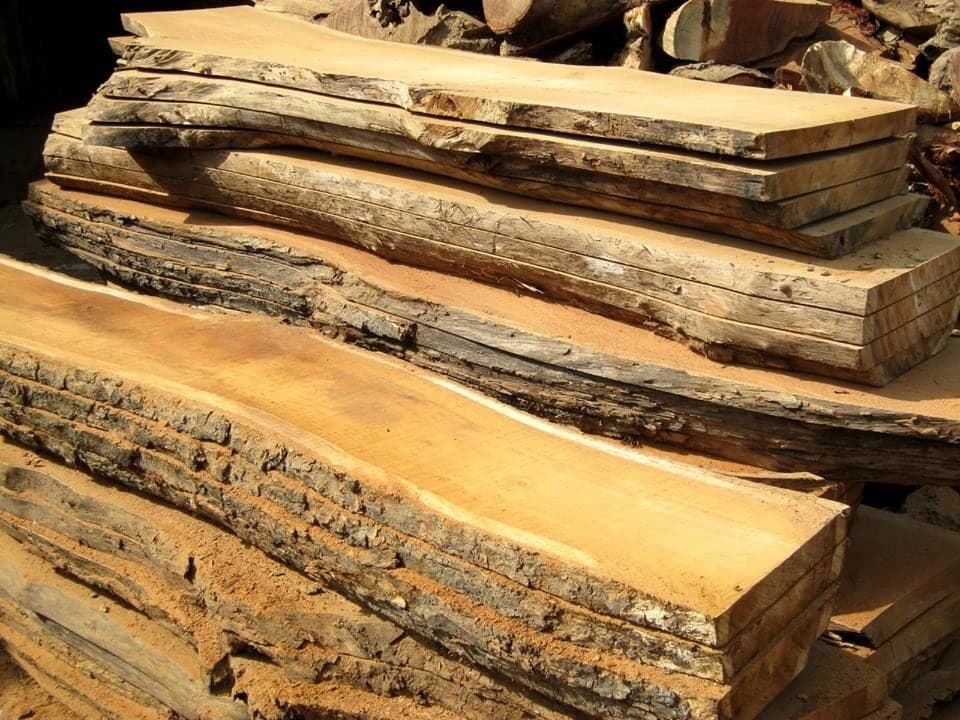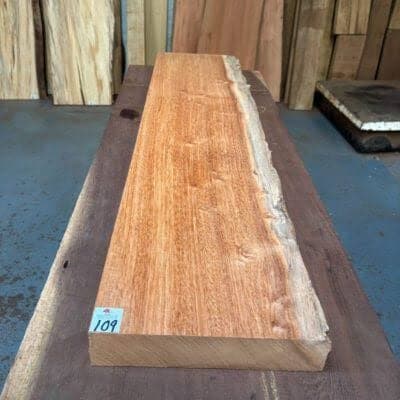
Walnut
The most expensive timber we stock and the one we recommend for a piece you intend to keep. It machines beautifully, takes oil without blotching, and darkens slowly into a richer brown over about ten years.
Most of what goes wrong with furniture in this country is a timber problem, not a design problem. Here is everything we work in and what each is for.
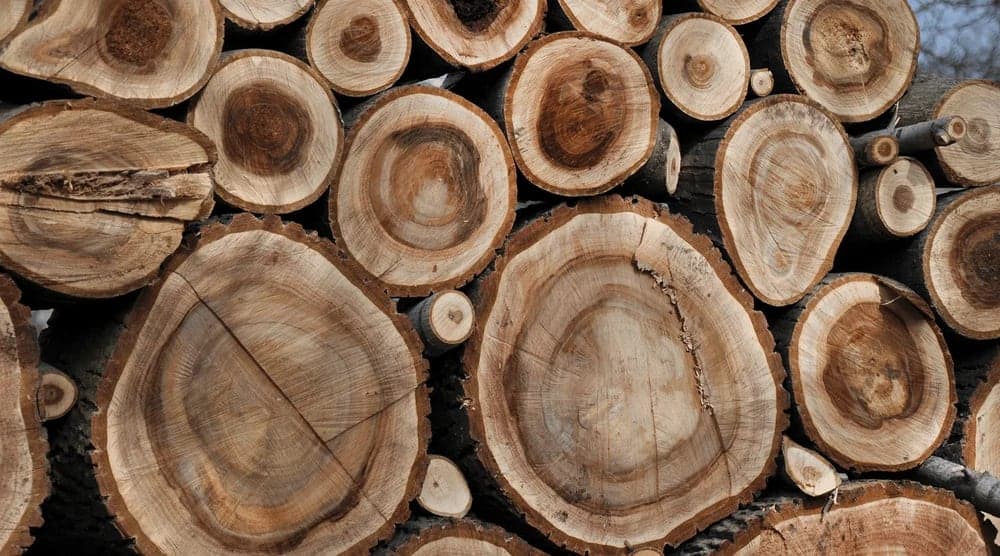
All stock is kiln dried to 8–10% moisture before it is cut. This is the step that stops a table splitting in its second summer.

The most expensive timber we stock and the one we recommend for a piece you intend to keep. It machines beautifully, takes oil without blotching, and darkens slowly into a richer brown over about ten years.

The traditional furniture timber of the subcontinent and the hardest thing in our workshop. Extremely resistant to termites and rot. Colour varies considerably board to board, which is either the appeal or the problem depending on your taste.


Naturally repels moths and insects, which is why every old wardrobe in the country is lined with it. Light enough to move, soft enough to dent. We use it where weight and smell matter more than hardness.

The best timber we know for chairs — it bends under steam and takes shock without splitting. Its pale colour suits lighter interiors and it accepts stain evenly if you want it darker.

Comes from orchard trees at the end of their fruiting life, so it is the most sustainable timber we use and one of the least expensive. The streaking makes every piece different, which suits gifts and small objects.

Its natural oil makes it the only timber we will use outdoors or anywhere near water. Expensive and getting more so, so we reserve it for places where nothing else will survive.
Sawdust and glue. It swells irreversibly the first time it meets water, and every Karachi kitchen meets water. We do not use it anywhere, including in places nobody sees.
Fine for a painted panel, useless as a load-bearing part. It holds a screw once. If we use MDF anywhere in a piece it is written on the spec sheet.
Green wood is cheaper and is what most of the market runs on. It will cup, split and twist within eighteen months in this climate. No exceptions on this one.
Send the dimensions and a reference. A drawing and a fixed quotation come back within three working days, at no cost.